Category Archives: FAQs

Negotiating Certified Pre-Owned Car Prices

Having a business conversation. Man with woman in white clothes are in the car dealership together.

Yes. In fact, negotiating for a lower price on a certified pre-owned car is often easier than a new car. Newer cars have manufacturer-set prices and dealer promotions that can leave less room for negotiation. In contrast, certified pre-owned vehicles may have a more flexible price range shoppers looking to buy a car can take advantage of – while still being certified for guaranteed long-lasting quality.

Certified Pre-Owned vs. Pre-Owned

While a certified pre-owned car will cost significantly less than a new car, it will typically be more expensive than a pre-owned car that isn’t certified. Certified pre-owned means that the car has undergone rigorous inspection to meet the manufacturer’s standards. This inspection typically includes a comprehensive exterior and interior check, confirming it has adequate mileage and performance abilities and that any necessary repairs have been made. Pre-owned cars, especially those sold privately by owners, don’t have the same guarantees.

Most manufacturers place age and mileage restrictions on their certification programs. For example, in order for a used car to be qualified as a certified pre-owned vehicle, it may need to be no more than five or six years old and have fewer than 60,000 or 80,000 miles. The specific criteria varies based on the manufacturer.

Used cars that don’t meet the certified pre-owned eligibility requirements usually aren’t eligible for extended warranties, while certified pre-owned cars are typically sold with an extended manufacturer warranty. At Easterns Automotive, we offer a seven-day return policy and 30-day / 1,000-mile warranty to give our shoppers, both used car buyers and certified pre-owned car buyers, peace of mind that even if they run into an issue, we’ll address it promptly.

Negotiating Tactics

Know the Car

Research the market value of the car you’re interested in to understand what the market value is and how it’s generally priced. Tools like Kelly Blue Book and Edmunds can help shoppers estimate the value of different makes, models and years in the certified pre-owned market.

Know the Price – the Actual Price

Have a clear budget before you start shopping. Evaluate the upfront price as well as the ongoing costs, including maintenance fees, fuel costs, insurance and the specifics of your financing plan if applicable, including interest rates and loan terms.

Know Your Budget

Having a clear understanding of your budget before approaching a dealership can give you leverage during negotiations. Getting pre-qualified[1]  for a loan before you visit the dealership can not only give you a fixed price point to work with. This may be beneficial during negotiations since they know you have financing with a strict limit and may be willing to negotiate on price to accommodate and make a sale.

… Or Avoid Negotiating Altogether

At Easterns Automotive, we don’t stress over credit scores. Instead, Your Job is Your Credit™. All we need is proof of employment and our auto financing team will utilize our auto lending network to help you get manageable financing for a high-quality car.

We believe in providing our customers with fair, straightforward prices. Our certified pre-owned vehicles are priced competitively, without hidden fees or exaggerated interest rates. Our financing team offers a range of financing options to suit different budgets and credit situations. We work with multiple lenders to find the best rates and terms for our customers so you can get the car that checks all your boxes without the emotional and financial strain.

#1 Certified Pre-Owned Dealership for Reliable Used Cars in Washington D.C. and Baltimore

At Easterns Automotive, our team is here to answer any questions you may have about the car shopping and financing process. Get expert guidance through every step of the car buying process. Browse our inventory online or in person at one of our dealerships today.

Which Credit Score Do Car Dealerships Use and How Many Months Should You Finance a Used Car?

report credit score banking borrowing application risk form document loan business market concept – stock image

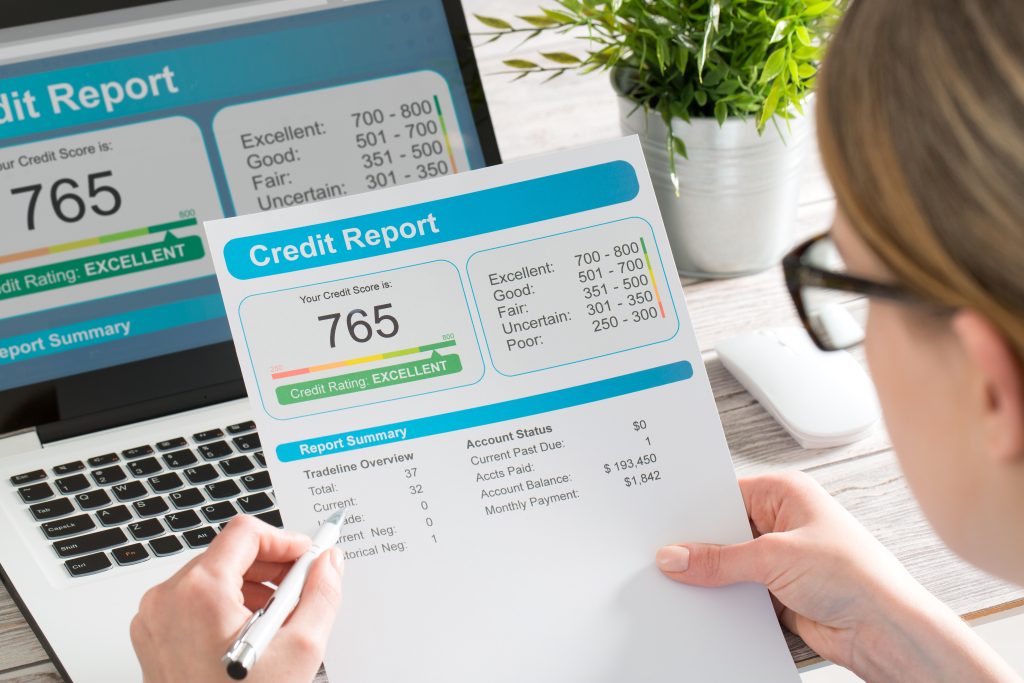
A substantial majority of dealerships will refer to your Fair Isaac Corporation (FICO) score when assessing you for financing. In fact, 90 percent of lenders rely on this score for credit decisions due to FICO’s focus on a borrower’s ability to repay a debt.

The other major but less commonly utilized score is VantageScore, which provides consistent scoring for Equifax, Experian and TransUnion. Credit score can significantly impact your car buying experience. If you have a subprime score, you may have more trouble securing approval or getting low interest rates.

At Easterns Automotive, we look at more than just your credit score when assessing auto loan eligibility. We’re the dealership where “Your Job is Your Credit™”. As long as you have a job, we’ll leverage our network of auto lenders to customize financing solutions to meet your needs, so you can secure reliable transportation easier and with minimal stress.

FICO vs. VantageScore

FICO is the most widely recognized credit score. With a range of 300 to 850, FICO scores are primarily utilized to assess a borrower’s risk level. A variety of factors are considered while evaluating your ability to repay an auto loan, but some carry more weight than others, including:

  • Payment history (35 percent)
  • Debts owed (30 percent)
  • Length of credit history (15 percent)
  • New credit inquiries (10 percent)
  • Your amount and mix of credit accounts (10 percent)

VantageScore was created by the three major credit bureaus – Equifax, Experian and TransUnion – for the purpose of providing a consistent scoring method across all three bureaus. If you use Credit Karma, the score you see on your dashboard is your VantageScore.

VantageScore has the same range as FICO but places more emphasis on total credit usage, balances and how much credit you currently have available and less on your credit experience and payment history. Put simply, VantageScore fixates on your current credit situation, while FICO places more weight on your credit history.

When applying for auto financing, it’s typically better for borrowers to have their FICO evaluated than their VantageScore. FICO scores are only generated once a user has an open account for at least six months. In contrast, VantageScore will assign you a score even if your history is as short as one month. Longer histories are ideal for those looking to get a favorable loan on a new car since having a longer history typically translates into a better score and credit report.

Moreover, it’s easier to qualify for a good loan with a lower FICO score than a lower VantageScore. Lenders typically require a minimum score of 600, but those with a 500 can occasionally qualify (although they may be subject to higher interest rates, depending on the lender). A VantageScore below 700 will have a low chance of securing a favorable loan, and those with a 500 may have a hard time being accepted for a loan in general.

How Many Months Should You Finance a Used Car?

Your credit score will also impact the conditions of your auto loan, including your loan term. How long you should finance a car will depend. A long loan term can allow car shoppers to disperse the cost, but their monthly payments will usually be higher. A short loan term will not cost you as much on a monthly basis, but your interest rate will likely be inflated.

The most common auto loan terms include:

  • 36 months: Shortest term available with lowest interest rates, but higher monthly payments.
  • 48 months: Moderate term length with adequate monthly payments and interest rates.
  • 60 months: Longer term with lower monthly payments but higher interest costs.
  • 72+ months: Prolonged term with very low monthly payments but higher total interest costs.

If you can comfortably afford it, higher monthly payments can help improve your credit score more than a higher interest rate. If you can’t afford the higher monthly payments on a shorter term, you should try to secure a moderate loan term between 48 and 60 months with balanced monthly payments and interest rates.

We’re Dedicated to Helping You Find the Right Car at the Right Price – Regardless of Your Credit Score

Shopping at a dealership that focuses less on your score and metrics and more on your needs will elevate your chances of securing a stress-free auto loan. At Easterns Automotive, every payment you make through us will be reported to credit bureaus, so buying one of our reliable certified pre-owned vehicles can directly translate into gradual credit score improvements – allowing our customers to secure dependable transportation and improved financial stability simultaneously.

Call 888-650-4775 today to learn more about our assiduously maintained, certified pre-owned cars and our personalized financing options.

What Is Pre-Approved Financing?

helpful manager of dealership gives necessary information and instruction to clients, explains everything before signing a contract. close-up photo of hands and documents

Securing financing at a dealership can be a mentally and time-exhausting endeavor, often lasting two to three hours, if not more. Pre-approved financing can streamline the financing process and strengthen your negotiating position as a car buyer, reducing the stress of car shopping.

Pre-Approved vs. Pre-Qualified Financing

Pre-qualified financing isn’t as definitive as pre-approval financing – although both are simply proactive measures that prepare car shoppers for the official process. Pre-qualification is an informal and unofficial service provided by lenders where they conduct a preliminary review of your application. It’s essentially a practice run that shows you how a lender will judge your application, offering insight into ways you can improve your application before submitting it officially. However, while pre-qualification gives you a general idea of what you might be eligible for, it’s not a guaranteed offer.

Pre-approval financing, on the other hand, is a more formal, detailed and intensive process that will provide you with an actual loan amount, interest rate and other definitive terms of your auto loan rather than just an estimate. Pre-approval isn’t approval, but it shows you what you will likely receive once officially approved, making the outcome more reliable and functional compared to pre-qualification.

During pre-approval, your credit score and debt-to-income ratio will be assessed. The review process for pre-approved financing often takes longer than pre-qualified financing, as it may take several days. This hard inquiry can temporarily affect your credit score for a short period of time, but as a result, it can give you more power during negotiations. Pre-approval carries more weight than pre-qualification, as it shows that you are a serious buyer who has secured reliable financing with exact terms.

Steps of Pre-Approved Financing

  1. Check Your Credit: Review your credit report and score. The lender will check your credit to assess your eligibility. A higher credit score can get you better loan terms.
  1. Gather Documents: Prepare detailed financial documentation, including proof of income, employment history, your credit report and any existing debts.
  1. Research Lenders: Look for lenders who offer pre-approval for auto loans and compare their requirements and terms.
  1. Apply: Submit your application to one or more lenders, whether at a bank, credit union or online lender, to get pre-approved.
  1. Review Your Conditional Offer: If the lender approves your application, they provide a pre-approval letter. This letter outlines the amount you are eligible to borrow, the interest rate, the loan term and any other conditions.

Benefits of Pre-Approved Financing

Knowing how much you can borrow helps you set a clear budget that will give you clarity while comparing offers from different lenders, ensuring you get the best possible interest rate and loan terms. A certified pre-owned car can be particularly useful from a financing perspective. They’re not as expensive as new cars but are still low mileage and on the newish side of the age curve. The higher value compared to other pre-owned vehicles means lenders may be more willing to offer favorable terms on your auto loan.

Pre-approval can also streamline negotiations with the car dealership. The process of finalizing your purchase at the dealership can be faster since much of the paperwork is already completed. Moreover, since you already have financing and a strict budget in place, the dealership will be less likely to try and upsell you, making purchasing a car less of a strenuous experience.

Not only can pre-approval expedite negotiations, but it can also elevate the possibility of negotiations going in your favor. Having pre-approved financing can give you more negotiating power with the dealer. It shows you are a serious buyer with funds secured and readily available. Having pre-approval tells the salespeople you aren’t wasting their time, making them more willing to compromise.

Because pre-approval is not approval, you still have the ability to shop around for a different lender. You can go to dealerships or other banks and see if they are willing to beat the rate and terms you are pre-approved for, potentially giving you a way into a better car loan.

Our Customer-Focused Financing Experts Work Hard to Help D.C. and Baltimore Residents Afford High-Quality Pre-Owned Vehicles

At Easterns Automotive, we’re on your side whether you have pre-approval or not. Our financing team can use our relationships with banks and financiers to help you secure a favorable car loan regardless of your credit score.

With us, “Your Job is Your Credit™”. We’ll work hard on your behalf to find the right loan for you so you can get your ideal car at a price you can live with. Browse our inventory or visit one of our dealerships and get help from a dedicated auto financing expert today.

Budgeting for the Total Cost of Car Ownership and Maintenance?

reviewing cost of new car purchase at easterns
Filing document. Shot of a handsome salesman filing documents with his happy clients at the dealership

Buying a car goes far beyond paying a simple sticker price. There’s a multitude of expenses to consider, from the costs that bolster the upfront price to the expenses that persist throughout vehicle ownership. Before making the decision to invest in a new car, it’s important to craft a strict budget plan and financing strategy to ensure you won’t endure financial stress and strain from owning a car.

Initial Costs

In addition to the price written down on the windshield, you’ll also have to factor into your upfront payment:

  • Registration fees
  • Title fees
  • Documentation fees
  • Down payment
  • Insurance costs
  • Sales tax, which is approximately six percent in D.C., Virginia and Maryland

Recurring Costs

Financing

While financing can help you save overall, it’s still an expense that includes monthly payments and interest. You should take into account your payment plan when planning your monthly budget. How much you spend each month will depend on your loan terms.

Shorter terms (three to four years) mean higher monthly payments but less interest paid overall. Longer terms (five to seven years) have lower monthly payments but higher total interest. Which will suit you better will depend on your goal – if you have a tight monthly budget, you may benefit from a longer loan. If you’re buying a car as a way to improve your credit score and you can afford a slightly higher monthly payment, a shorter loan term may be preferable.

Insurance

You can’t legally own a car in D.C., Virginia or Maryland without paying insurance. Moreover, how much you’ll pay on your premiums will be influenced by your choice of vehicle – everything from its make, model and year to whether it’s new or pre-owned will factor into your total. Get a quote from an insurance provider before buying a car to see how costly your premium will be.

Fuel

Your biggest recurring cost will be gas. The gas mileage of your vehicle and what fuel it requires (regular, premium or recharging rates if it’s an electric car) will play a major role in how much you pay for driving.

Roadside Assistance Membership

While not substantial, the cost of a roadside assistance membership – if it’s not included with your insurance policy or the initial car price – will add to your monthly total. While not required, many drivers feel better with guaranteed roadside assistance if something goes wrong.

Routine Maintenance

You also need to account for regular maintenance, including oil changes, tire rotations and brake inspections, which will get more expensive the older the car becomes.

Parking

Especially if you live in a city, chances are you’ll be spending a significant amount a month paying for parking.

Emergency Costs

Not all costs can be predicted. Make sure you still have some room left over in your budget for the unexpected. From sudden repairs and replacements due to wear and tear or accidents to your car’s value depreciating with time, there’s always money to be lost.

How to Budget for a New Car

Do the math before you walk into a dealership. The total cost of ownership and maintenance should not exceed 15 to 20 percent of your monthly income. The general rule of thumb is 20/4/10: a down payment that’s 20 percent of the car’s price, a loan term of 4 years if you’re financing and a monthly car payment of no more than 10 percent of your gross monthly income.

While buying a new car won’t be ideal for budget-conscious car shoppers, buying the cheapest car will also pose problems and may cost you more in the long run. A well-maintained, thoroughly inspected pre-owned car likely won’t require expensive repairs in the first few years.

Easterns Automotive offers a vast inventory of pre-owned vehicles that have been thoroughly inspected and tested to ensure they are a high-quality, long-lasting investment. You can purchase a used car for far less than a new car and enjoy flexible financing plans. Our financing experts have a reputation for putting the needs of car buyers first and can work with everyone regardless of their credit score.

Discover Exceptional Used Cars, Trucks and SUVs for Sale in Baltimore and Washington D.C.

Call 888-650-4775 or visit one of our dealerships today to learn more about our certified pre-owned models and our personalized financing options.

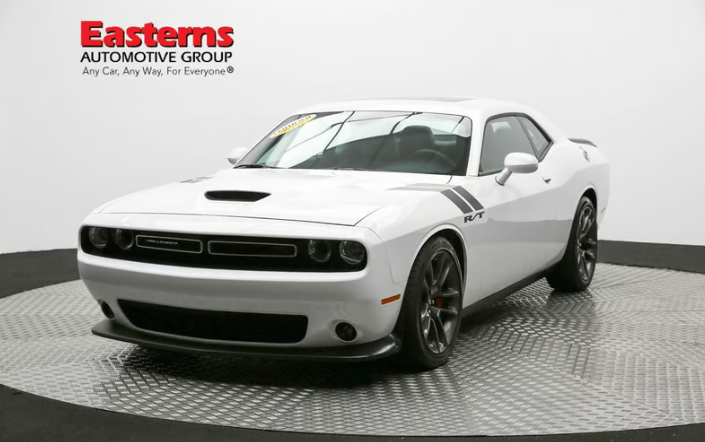
The Estimated Total Cost to Own a Dodge Challenger

The Dodge Challenger is an American muscle car that captures the spirit of high-performance driving with its powerful engines and bold design. If you’re someone who is thinking about purchasing this iconic vehicle, it’s a good idea to research the full scope of ownership costs. Ancillary expenses like insurance, fuel, maintenance, repairs and depreciation play a role in the ultimate cost as well as the long-term value of your Dodge Challenger purchase.

Initial Purchase Price of the Dodge Challenger

For a muscle car, the Dodge Challenger is surprisingly affordable, with a starting MSRP for a new Dodge Challenger of about $33,000. The higher-performance trims that offer the larger V8s are much more expensive, with purchase prices exceeding $70,000.

Insurance Costs

Insurance costs for a Dodge Challenger can vary widely. Younger drivers or those with a history of traffic violations typically pay higher premiums due to the increased risk they represent. Location is another crucial factor, as urban areas like Baltimore and Washington D.C. often have higher rates because of the greater likelihood of accidents and theft.

The specific model and trim of the Challenger also impact the insurance cost, with higher-performance models generally costing more to insure due to their increased power, higher replacement costs and the greater likelihood of drivers making use of the extra power to speed or drive recklessly. It’s not uncommon for drivers to pay between $1,200 and $2,000 in insurance premiums every year, or between $6,000 and $10,000 over five years.

Fuel Costs

The Dodge Challenger, particularly the V8 models, is not known for fuel efficiency. As with most vehicles, there’s a tradeoff between exhilarating performance and fuel costs.

  • Average Annual Mileage: 12,000 miles
  • Average Fuel Price: $3.50 per gallon
  • Fuel Economy: 16 MPG (city) / 25 MPG (highway) for the Challenger R/T

The average Dodge Challenger driver uses about 585 gallons of fuel a year. At $3.50 a gallon, that’s about $2,050 annually, or $10,250 over five years. Fuel prices do vary dramatically from place to place, month to month and year to year. The actual price you’ll pay for fuel every year will vary based on the price and how much you drive.

Maintenance and Repairs

Maintaining a high-performance car like the Dodge Challenger can be expensive, especially as the vehicle ages. Dodge offers a three-year/36,000-mile basic warranty and a five-year/60,000-mile powertrain warranty, but costs can rise after these periods.

  • Average Annual Maintenance Cost: $800 – $1,200
  • Average Annual Repair Cost: $300 – $500 (post-warranty)

Maintenance and Repair Cost Calculation:

  • First Three Years: $1,000 per year (maintenance) = $3,000
  • Years Four and Five: $1,000 (maintenance) + $400 (repairs) per year = $2,800
  • Total Maintenance and Repair Costs Over Five Years: $5,800 – $7,000

Depreciation

Depreciation means what you paid for a new Dodge Challenger is not the price you can get if you chose to sell it after five years. Challengers actually are slightly more resilient, often losing only about 12 percent of their value in the first year and only about 30 percent after five years. This is a stark contrast to the average vehicle that depreciates about 20 percent in its first year and up to 50 percent by five years.

Benefits of Buying a Pre-Owned Dodge Challenger at Easterns Automotive

If you’re considering buying a Dodge Challenger, opting for a pre-owned vehicle from Easterns Automotive Group can offer several advantages over buying a new one. Not every pre-owned Dodge Challenger is equal, and there’s a big difference between a thoroughly inspected and well-maintained Challenger and a hard-driven Challenger that wasn’t properly cared for. When you buy from Easterns Automotive, you’re getting: 

  • Quality Assurance: All pre-owned vehicles undergo rigorous inspections to ensure they meet high-quality standards.
  • Lower Prices: Pre-owned vehicles generally have a lower purchase price, offering excellent value.
  • Wide Selection: With a variety of trims and model years available, buyers can find the perfect Challenger to fit their budget and preferences.
  • Exclusive Policies: Enjoy a seven-day return policy and a 30-day/1,000-mile warranty for added peace of mind.

We Believe in High-Quality Pre-Owned Vehicles at Easterns Automotive

If you’re in the market for a pre-owned Dodge Challenger in Virginia, Maryland or Washington D.C., Easterns Automotive has got you covered. We believe that your job is your credit, making financing a pre-owned car accessible for everyone.

Browse our online inventory or give us a call at (877) 927-5004 to start shopping for your Dodge Challenger today.

Conditions And Driving Habits That Take a Toll on the Performance of Your Car

old run down car

Car maintenance generally includes the replacement and inspection of parts like brakes, spark plugs, wiper blades and motor oil. It may also include a tune-up and should be scheduled annually with your local dealer.

Some conditions that influence your car maintenance needs are directly related to your driving habits. The conditions you drive in and how you drive can affect how frequently your car needs to be repaired or serviced outside of regular routine maintenance. Conditions that warrant scheduling car maintenance include:

  • Air filter changes
  • Headlight replacement
  • Tire rotations
  • Transmission fluid adjustments
  • Oil levels
  • Coolant levels 
  • Battery performance

If any of these conditions are left unchecked, they can take a toll on the performance of your vehicle and may eventually justify early replacement.

Driving Habits That Negatively Affect Car Performance

Bad driving habits can harm your vehicle, resulting in additional car maintenance trips and costly bills. Vehicles are made to be durable and last for long distances in sometimes tough conditions, but they’re not immune to accelerated wear or breakdowns due to being handled poorly by their owners.

Bad Braking Habits

Your braking habits can do a lot of damage to your vehicle if you’re not careful. Brakes are intended to stop your vehicle, but if used carelessly, they can wear early or damage components other than the brake pads. This may risk your safety on the road. This can mean costly car maintenance trips and a shortened lifespan for your brake pads, drums and vehicle.

Braking habits that take a toll on your vehicle include:

  • Abrupt starting and stopping: These can wear out your brakes causing the need for early repair or replacement.
  • Excessive braking downhill: If your vehicle is accelerating while going downhill, you may be tempted to apply the brakes to slow down. While this may be necessary for safety and to avoid speeding, the added friction from accelerating causes heat to build up in the brake pads, causing accelerated wear.
  • Riding the brakes:  Excessive brake use can result in warping and wear down, along with generating additional heat that may cause brake fluid to boil. In the short term, this habit can damage your brakes, making them unreliable on the road. In the long term, riding the brakes can reduce the fuel economy of your vehicle.
  • Not using parking brakes: Parking brakes can become brittle and snap if they are not used. Additionally, not using the parking brake puts stress on the transmission. While the transmission stops your vehicle when it’s in park, it is the parking brake that prevents the wheels from further motion.

Engaging the Clutch Too Much

The clutch can become worn down prematurely if left engaged consistently, such as when you make stops at a red light or pause before a turn. You may need premature servicing or car maintenance if your clutch is constantly under pressure.

Shifting Between Drive and Reverse Without Stopping

It’s necessary to come to a complete stop before going into reverse. Otherwise, your transmission may suffer. Braking effectively between shifting into reverse keeps your transmission from overworking to stop your vehicle. Transmission failure is a common car maintenance request for those who regularly shift into reverse without coming to a complete stop, as it can complicate your vehicle’s ability to transition between the two gears long term.

Warning Lights On

Illuminated warning lights in your vehicles should be addressed as soon as possible. They can indicate issues with the engine, coolant, battery or even airbag, all of which can become costly to repair if damage or malfunctions are allowed to escalate. Letting warning issues go for long periods can add additional stress to your vehicle, resulting in extra car maintenance down the road.

Gas Tank Staying Near Empty

Keeping your tank near empty can have an adverse effect on the lifespan of your vehicle. Gasoline functions as a coolant, preventing certain vehicle parts, like the fuel pump and converter, from overheating during use. If your tank stays near empty, it may overheat when you run out of fuel, resulting in damage.

Hitting the Curb

It may be tempting to use curbs to help you park in tight spaces, but you risk damaging your wheels in the process. In the short term, this could result in early tire changes, but long term, this can take a toll on the alignment of your vehicle.

Going Without Regular Car Maintenance

Regular car maintenance is the best way to maintain the longevity of your vehicle. Going without regular maintenance can cause preventable problems, like a weakened brake pad or punctured tire, to escalate and damage your vehicle. Whether this means attending to warning lights promptly or ensuring that your oil is changed regularly, it’s better to handle vehicle issues sooner rather than later.

Schedule Car Maintenance With Easterns Automotive

If you’re looking to simplify your car-buying experience, look no further than Easterns Automotive. We are discerning in our choice of vehicles, which is why you can rest assured the vehicles in our used car inventory are well maintained and in good working order. Call us at 877-867-0641 to see how we can help.

15 Random Car Facts that will Impress Your Friends and Family

15 random car facts

For decades, cars have been an essential part of everyday life, but their widespread adoption as the primary means of transportation didn’t happen overnight. Back when automobiles were first introduced to the public in 1886, cars were viewed as a luxury item that only the wealthiest households could afford. Today, over 130 years later, there are an estimated 1.4 billion vehicles in the world.

We rely heavily on cars to get us from point A to point B. Whether it’s work, school or soccer practice, reliable transportation is a necessity in our day-to-day lives.

It’s no surprise that there are many fascinating facts about these extremely complex yet very common pieces of vital property. Next time you find yourself chatting with a group of friends at a party or sitting around the dinner table with family, spark a conversation and show off your automobile knowledge with these fun facts.

  1. The first full-size car was built in 1789 by French inventor Nicolas-Joseph Cugnot using water and steam pressure.
  2. German engineer Karl Friedrich Benz (also known as Carl) invented the first modern car using three wheels and an engine located in the back. The Benz Patent Motorcar was first announced to the public in 1886 at an original cost of $150.
  3. The Duryea Motor Wagon, introduced in 1893, was the first American-made gasoline-powered car. It was built by the Duryea brothers, Charles and Frank, using a $70 carriage and single cylinder-gasoline motor.
  4. The Ford Model T, which was first made available by the Ford Motor Company in 1908, was the first affordable mass-produced vehicle. With a maximum speed between 40 to 45 miles-per-hour (mph), the Model T cost $825 (equivalent to $18,000 today).
  5. BMW was first known as an aircraft engine manufacturer — the first product being the BMW III (a straight-six aircraft engine). BMW didn’t start making cars until they acquired a German automobile manufacturer in 1928.
  6. On average, if you count every nut and bolt, a modern vehicle has 30,000 parts.
  7. Austrian-German automotive engineer and founder of Porsche, Ferdinand Porsche, invented the first hybrid car in 1900 using an octagonal electric motor.
  8. The three-point seatbelt we use today was invented by Swedish mechanical engineer Nils Ivar Bohlin when he was hired by Volvo. The three-point lap seatbelts were first introduced in Volvo cars in 1959.
  9. The first muscle car (also known as a “supercar”) was released by General Motors in 1949. In order to be considered a muscle car, a vehicle needed to have a lightweight body, V8 engine and rear-wheel drive — all features that were designed for drag racing. The earliest muscle car on the market was the Oldsmobile 88, which went on to make NASCAR history.
  10. The code inside an average car’s internal computer could stretch for 100 miles if printed on paper.
  11. Car insurance was first implemented in the United Kingdom when Minister of Transport Herbert Morrison mandated the Road Traffic Act 1930.
  12. Only 18 percent of Americans know how to drive stick shift, which might explain why only 5-percent of vehicles sold in the country are manual.
  13. The fastest police car in the world is in Dubai. The Dubai Police Department’s fleet includes 14 supercars — the Bugatti Veyron being the fastest with a top speed of 253 mph.
  14. The Ford Crown Victoria was the last vehicle to offer a cassette tape player in 2011.
  15. The top selling car of all-time is the Toyota Corolla. Since it was first introduced by Toyota Motor Corporation in 1966, the manufacturer has sold an estimated 50 million Corollas.

Visit Your Local Pre-Owned Car Dealership in Washington D.C. and Baltimore

At Easterns Automotive, we take pride in maintaining an extensive inventory of pre-owned vehicles. Whether you’re looking to sell your car or trade it in for a more reliable vehicle, our team is here to ensure you receive a fair price and great financing services.

At Easterns, we do what we can to make the car buying process as easy as possible. Learn more about our trade-in offers and how we can help by calling us at 877-867-0641.

Is It Possible to Sell a Car Without a Title?

selling car without a title

While it is illegal to sell a car without proof of ownership in most jurisdictions, there are legal ways to sell a car even if you don’t physically have (or can’t find) the title. States that have an Electronic Lien and Titling (ELT) Program like Maryland and Virginia will allow you to trade in a car without a title. This is because dealerships have access to the ELT database so they can confirm and transfer vehicle ownership seamlessly.

If you are conducting a private sale, you are required to have the vehicle’s title in hand or you may request a duplicate if your title was lost, stolen or damaged. Prior to selling, be sure to request your new or duplicate title several weeks before, as titles can take time to process. You must request the duplicate title from the state the vehicle is registered in. Once you receive the duplicate title, it will void the original.

When selling a vehicle that is financed or has a lien on it, you will need to reach out to the lender directly. They will be able to guide you through the process and ensure the sale and title transfer goes smoothly.

Why Does Your Vehicle Need a Title?

When you purchase a new or used car, you are provided legal proof of ownership (A.K.A. the title). If you are financing or leasing a car, you will likely never see the physical title unless you purchase the vehicle outright.

Titles can vary state by state but generally they list the following information about the vehicle:

  • Vehicle’s make, model, color, body style and manufacturing year
  • Vehicle identification number (VIN)
  • Mileage at the time of the purchase
  • License plate number
  • Buyer’s name, address and issue date

What Are the Types of Car Titles?

Over a car’s lifetime, the title can change depending on the vehicle’s condition. Some of the most common types of titles are:

  • Clear – The most desirable car title available and the only one that lenders will approve for a car loan.
  • Salvage – This title is issued to a car that has seen a significant decrease in value due to a crash, theft or subsequent repairs.
  • Rebuilt/reconstructed – The insurance company or body shop where the rebuild took place will issue this title after an inspection deems it safe to drive in public.
  • Bonded – A vehicle with missing ownership documents will be given this title. It’s valid for three to five years and protects the new owner from potential ownership disputes.

Are Some Car Sales Exempt from Title Requirements?

Under certain conditions, you may not always need a vehicle’s title in order to sell it. Of course, it depends on the rules and regulations of your jurisdiction, but in special circumstances, you can sell a car without a title.

  • A standardized bill of sale form may suffice for proof of ownership if the vehicle is more than 15 to 25 years old. In states that don’t require a standardized form, any bill of sale template should suffice.
  • A transfer of ownership without a title may be a feasible option in some states that allow it. The buyer would then need to obtain a title for the vehicle. Additional documentation may be required.
  • Selling to an out-of-state buyer without a title can be difficult if your state has deemed the car exempt. You or the buyer should confirm the other state’s rules and regulations. You may need to provide the buyer with a copy of the vehicle’s registration in your state.

Sell Your Car to Easterns Automotive

If you live in the DC, Maryland or Virginia areas, Easterns Automotive is here to help you sell your car. As one of the leading pre-owned dealerships around, we pride ourselves on creating a stress-free environment that takes the pressure off car sellers.

We understand that getting a car ready to sell can be an overwhelming task. At Easterns, you don’t have to worry about meeting potential buyers for test drives or handling the paperwork when finalizing the sale. We take care of the logistics for you so you can focus on finding your next vehicle.

Our diverse pre-owned inventory makes it easy to find the car you want. Learn more about our trade-in offers and how we can help by calling us at 877-867-0641.

How To Sell a Car With a Loan

selling used car after taking out a loan to purchase

It’s not uncommon to sell a car with an existing loan, especially if your situation changes two or three years into a five- or six-year loan. Car buyers in DC, Maryland and Virginia often look to sell their vehicles after a big life change such as getting married or starting a family. Simply put, if you have a loan on your car, it doesn’t mean you’re necessarily stuck with the vehicle until you pay it off.

You can sell a financed vehicle in one of four ways:

  1. Pay off the loan in full
  2. Sell the vehicle to a private buyer
  3. Sell the vehicle to a dealership
  4. Trade the vehicle in at a used car dealership

Some of those options require more work than others. For example, if you want to sell your vehicle to a private buyer, you’ll generally need to pay off the loan first. If you’re willing to sell or trade-in your vehicle to a dealer, they can deal with the logistical hassles of getting rid of the loan for you.

Whether you’re looking for a dealership trade-in or to sell the car outright, there are a few steps to consider before selling a financed vehicle.

Ask Your Lender for the Payoff Amount

Before you can sell any car with a loan, check with the lender you financed through and ask about the selling process. If you are still making payments on your loan, the lender has possession of the title and ownership of the vehicle until the loan is paid off and the title is transferred. These two things must take place before a financed vehicle can be sold.

The “payoff amount” is how much it will cost to own your car outright. This number will include the loan balance and interest along with any other financing fees or prepayment penalties. When you ask your lender for the payoff amount, they are required to provide you with an offer that’s valid for 10 days.

In addition to requesting the payoff amount, you can discuss next steps with your lender before deciding which route you’d like to take.

Do Your Research to Know Your Car’s Worth

Anytime you go to sell or trade-in a vehicle, make sure you know its value. The used car climate is constantly changing, so having an estimate of your car’s worth can be helpful when it’s time to sell. Keep in mind that your car’s value may change depending on how you plan to sell it (i.e., private or dealer).

If you don‘t have one already, you can get a quote on a number of vehicle valuation sites like Kelley Blue Book or Edmunds. Be sure to have your car’s make, model, mileage and VIN number ready for the most accurate quote.

At Easterns Automotive Group we pride ourselves on providing fast and accurate quotes to customers. You can get a solid purchase offer from our team in a matter of hours.

Determine Your Equity

Once you have the payoff amount and the value of your financed vehicle, you can then calculate your equity. You can do this by subtracting the payoff amount from the car’s estimated value. The remaining value is your current equity.

A quick way to tell if you have positive or negative equity is by your car’s value. If the value of your vehicle is higher than your loan payoff amount, then you have positive equity. If the payoff amount is higher than your car’s worth, then you are “upside down” on your loan — meaning you have negative equity.

You can still sell your vehicle even if you have negative equity. Car sellers have two options in this scenario: you can sell the vehicle and pay off the remainder of the loan out of pocket or you can roll the remainder of your loan (minus what you got for selling your car) into your next auto loan.

Easterns Automotive can help you get a great pre-owned vehicle, even if you have negative equity in your current car.

Selling Privately Versus Selling or Trading at a Dealership

When you’re ready to sell your financed vehicle, you will need to decide if you’d rather sell to a private buyer or to a dealership. This is when it’s important to consider things like the ease of transaction, final purchase price, your credit score, etc.

Selling to a private buyer used to be the preferred way to sell a used vehicle because sellers would typically get closer to their asking price. Now, because of recent shortages of new and used cars on the market, that may not always be the case. Dealerships are eager to buy used cars at great prices to maintain their inventory.

While it’s possible to still get more for your vehicle through a private buyer, there is a lot more work required on your end to complete the transaction. This is where a used car dealership can step in and help you obtain your payoff quote, make all final payments, and take care of the title for you. This is a great route if you’re looking to upgrade your current vehicle by trading it in for a newer model.

Find a Trusted Used Car Dealer in DC, Maryland and Virginia

Easterns Automotive is committed to helping our customers sell and finance their used car purchases quickly and efficiently. We are committed to guiding local car sellers through the selling process to ensure an easy, stress-free experience.

We also offer competitive pricing for used vehicle trade-ins and great financing options — no matter your credit history.

Browse our inventory of used vehicles in the Baltimore and DC areas or visit one of our dealership locations to find out how Easterns can help you sell your used car today.

Can You Trade in a Financed Car?

Though it’s a little more complicated than selling or trading in a car you own outright, it is possible to trade in a vehicle that still has a loan. If you decide to trade in your current car before you pay it off, be prepared to do a little bit of work upfront so you are ready to move forward when you get to the dealership.

Depending on the amount left on your loan and the value of your car, you might owe money or get money back that can be applied to the new car. For this reason, it’s important to determine your vehicle’s trade-in value and your equity.

How Does Vehicle Equity Work for a Trade-In?

When you first bought your car, you likely took out a loan that you have been paying off every month since. As you make monthly payments you build your equity (the dollar amount you actually own).

Unfortunately, cars age and decrease in value each month, even as your equity increases with each subsequent loan payment. If you take care of your car, stay on top of your monthly auto loan payments and the demand for used cars is high, then your equity should still enter positive territory relatively quickly.

Once you are ready to trade in that vehicle, you’ll be faced with one of two scenarios:

  • You have positive equity which means the car is worth more than what you still owe on the loan. The difference between your equity and the remainder of the loan can then be applied directly to your next vehicle purchase, lowering the amount of money you will need to borrow and helping you get a better interest rate.
  • You have negative equity which means your auto loan is “underwater” or “upside-down.” This happens when your car is worth less than what you still owe. In order to trade in a vehicle with negative equity, you will have to pay off the difference.

For example: You bought a car for $20,000 and you financed $18,000 of it. The vehicle is valued at $12,000 when you decide to sell, but you still owe $13,000 on your auto loan. You’ll need to sell the vehicle for $12,000 and pay an additional $1,000 to clear the loan.

Conversely, if the same scenario occurs but you only owed $3,000 on your auto loan when you decided to sell, you would have $9,000 of equity you could put toward your next vehicle purchase. 

How Do You Pay the Difference if Your Auto Loan Goes Underwater?

If you’re considering a trade-in and your auto loan is upside-down, there are options to pay off negative equity.

  1. Delay the trade-in until your car is paid off or once you are no longer underwater.
  2. Pay the difference between what’s left on your loan and what the dealer offers for your trade-in. This is typically done with cash or by taking out another loan.
  3. Roll over what you owe into your new car loan. Although this option is often the most convenient, it will result in you being immediately upside-down on your new auto loan. When you add the difference, you increase the new loan amount and typically pay more interest over time.

Do You Really Need to Know Your Trade-In Value?

When it comes to pricing your trade-in, take the time to do some research yourself. The team at Easterns Automotive would be happy to give you a fast estimate on your vehicle’s sale or trade-in value.

When it is time to trade in or sell your car at Easterns Automotive, we will conduct an appraisal and extend a firm offer.

What Will You Need to Trade in a Car with a Loan?

When you decide to trade-in a vehicle that still has a loan, the dealer will take over the loan and pay it off. To successfully trade in your old vehicle, you would negotiate the terms of your new auto loan and transfer your old vehicle’s title over to the dealer.

Ensure you have the following paperwork and materials ready when trading in a financed vehicle:

  • Driver’s license
  • Proof of insurance
  • Vehicle registration
  • All keys and key fobs for the vehicle
  • The loan information (account number and payoff amount)
  • Trade-in value based on your research

Get an Honest Trade-In Offer at Easterns Automotive

If you’ve tried other dealerships in Virginia, DC and Maryland and you weren’t happy with their trade-in offers, Easterns Automotive is here to help. We have a reputation for providing honest appraisals you can trust. It’s one of the reasons we have a 97 percent customer approval rating.

Once you accept our trade-in offer, we will deduct that amount from the new auto loan and take care of the rest. Stop by one of our locations or give us a call at 877-867-0641 to learn more.