All posts by jon

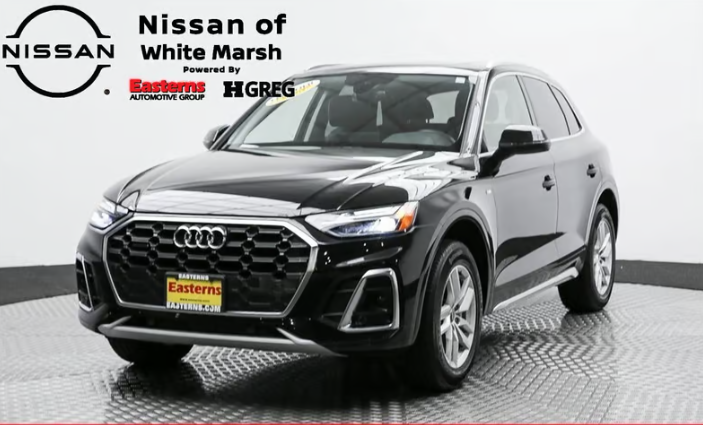
The Estimated Total Cost to Own an Audi Q5

Owning a luxury vehicle like the Audi Q5 comes with a host of benefits, from advanced technology, improved safety and a superior driving experience. However, the total cost of ownership (TCO) goes beyond just the sticker price.

Purchase Price

The starting MSRP for a new Audi Q5 is around $47,000, but this can vary based on trim levels and optional features. Higher trims and packages can push the price closer to $57,000 or more.

Insurance

Insurance costs for luxury vehicles like the Audi Q5 tend to be higher than for more standard models. Several factors influence the insurance premium, including the driver’s age, location, driving history and the specific model and trim of the vehicle. If you’re committed to buying a new Audi Q5, you will likely need to pay between $1,500 – $2,000 a year for insurance.

Over a five-year period, insurance costs can total between $7,500 and $10,000. It’s best to shop around for insurance quotes and consider factors like coverage limits and deductibles to find the best policy for your needs. The cost of replacement can be high, which is why paying a little extra for comprehensive coverage and collision coverage may be a good idea.

Fuel Costs

The Audi Q5, equipped with a turbocharged four-cylinder engine, offers decent fuel efficiency for an SUV. According to the EPA, the 2023 Audi Q5 has an estimated fuel economy of 23 MPG in the city and 28 MPG on the highway. If your driving habits are typical, you may be driving about 12,000 miles per year. At an average fuel price of roughly $3.50 a gallon, you may end up spending about $1,680 a year on fuel and $8,400 over the course of five years.

Maintenance and Repairs

Luxury vehicles often come with higher maintenance and repair costs due to their advanced technology and premium parts. This is doubly true with a foreign vehicle like an Audi, which may require imported parts and special tools for repairs or maintenance. Audi provides a four-year/50,000-mile warranty, which covers many repairs, but owners should be prepared for costs once the warranty expires. Annual maintenance and repair costs can often average out to around $1,000 a year, although one-off periodic maintenance or repair jobs like brake replacement can be much more expensive than a non-luxury domestic vehicle. 

Depreciation

Depreciation is the loss of a vehicle’s value over time and is typically the largest cost of ownership. Luxury vehicles tend to depreciate faster than more economical cars. An Audi Q5 can lose up to 20 percent of its value in the first year of ownership and between 40 and 50 percent after year five of ownership.

This rapid rate of depreciation is why many savvy car shoppers choose to buy a pre-owned Audi Q5. It’s smart to let someone else bear the cost of depreciation so you get all the benefits of a relatively new Audi without throwing away a lot of money.

How These Costs Affect the Cost of Buying a New Audi Q5

The total cost of owning a new Audi Q5 exceeds the initial purchase price of the vehicle. Prospective owners should be aware that:

  • Insurance Costs: Higher premiums for new luxury vehicles can add up quickly, contributing a substantial portion to the overall TCO.
  • Fuel Costs: While not the largest expense, fuel costs can become high if you drive a lot and gasoline prices rise, adding to the annual cost of ownership.
  • Maintenance and Repairs: Regular maintenance is crucial for luxury vehicles, and repair costs for imported luxury vehicles can become extraordinarily expensive if something breaks and the warranty has expired.

Find Your Dream Audi Q5 at Easterns Automotive Today

If you’re considering an Audi Q5 or any other luxury vehicle, it’s essential to find the best deal and financing options. You should strongly consider buying pre-owned, especially one that’s only a few model years old. Drivers can enjoy all the great features of the modern Audi Q5 at a discounted price.

At Easterns Automotive in Maryland, Virginia and Washington D.C., we offer a wide selection of high-quality pre-owned vehicles, including luxury models like the Audi Q5. Our team is dedicated to helping you find the perfect car at a price that fits your budget.

Explore our online inventory today or give us a call at 877-867-0641 and take the first step toward owning your dream car.
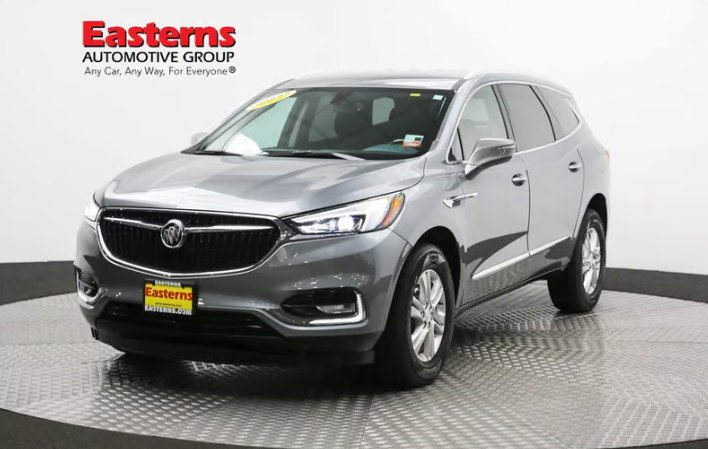
The Estimated Total Cost to Own a Buick Enclave

The Buick Enclave is a popular choice for those seeking a mid-size SUV that offers luxury, space and top-notch performance. With that said, many factors play a role in the actual cost of the vehicle.

Purchase Price of the Buick Enclave

The starting MSRP for a new Buick Enclave is around $44,000, but this can vary based on trim levels and optional features. Higher trims and packages can push the price closer to $55,000. The mid-range price of the Enclave costs around $48,000.

Insurance

Insurance costs for the Buick Enclave will depend on several factors, including the driver’s age, location, driving history and the specific model and trim of the vehicle.

  • Estimated Annual Insurance Cost: $1,200 – $1,800

Over a five-year period, insurance costs can total between $6,000 and $9,000, so it’s crucial to shop around for insurance quotes and consider factors like coverage limits and deductibles to find the best policy for your needs.

Fuel Costs

The Buick Enclave is equipped with a V6 engine that offers reasonable fuel efficiency for a mid-size SUV. According to the EPA, the 2023 Buick Enclave has an estimated fuel economy of 18 MPG in the city and 26 MPG on the highway.

  1. A driver with average annual mileage of 12,000 miles and average per gallon fuel costs of $3.50
  2. will use about 545 gallons and spend about $2,000 on fuel annually, or $10,000 over five years of ownership.

Maintenance and Repairs

The Buick Enclave typically incurs higher maintenance and repair costs due to its advanced technology and high-quality components. Buick offers a four-year/50,000-mile warranty that covers numerous repairs, but owners should expect increased expenses after the warranty expires.

  • Average Annual Maintenance Cost: $1,000 – $1,500
  • Average Annual Repair Cost: $500 – $700 (post-warranty period)
  • Assuming the warranty covers the first four years, the estimated costs over a five-year period would be:
  • First Four Years: $1,000 * 4 = $4,000 (maintenance only)
  • Fifth Year: $1,000 (maintenance) + $600 (repairs) = $1,600

The total maintenance and repair costs over five years would be approximately $5,600 – $6,600.

Depreciation

Like other vehicles, the Buick Enclave will lose its value over the years, with an estimated 40 percent on new vehicles. At a purchase price of $48,000, a pre-owned Buick Enclave would be valued at roughly $28,800.

Total Cost Breakdown

Combining all these costs provides a comprehensive view of the total cost to own a Buick Enclave over five years:

  • Purchase Price: $48,000
  • Insurance: $6,000 – $9,000
  • Fuel: $10,000
  • Maintenance and Repairs: $5,600 – $6,600
  • Depreciation: $28,800

The long-term costs of a Buick Enclave go far beyond the purchase price, especially if you’re buying new. However, by purchasing a pre-owned Buick Enclave here at Easterns Automotive, you can take advantage of the steep discount someone else already paid for through depreciation.

Long-Term Reliability of the Buick Enclave

There aren’t that many compelling arguments in favor of buying new. Advocates suggest that a new car will cost less to repair and maintain because breakdowns are less likely, and you won’t need to invest in any big milestone maintenance services for a few years. While that may be true in theory, those minor savings don’t make up for the massive value drop-off caused by depreciation.

The truth is there’s very little difference in performance or reliability for a car that’s only three or four years old and has fewer than 60,000 miles on it. Buyers are getting essentially the same vehicle with all the modern bells and whistles at a fraction of the price.

Discover the Perfect Buick Enclave at Easterns Automotive, Where “Your Job Is Your Credit”

At Easterns Automotive, with locations in Virginia, Maryland, and Washington D.C., we offer a wide selection of high-quality pre-owned vehicles, including models like the Buick Enclave. Our devotion to customer satisfaction has earned us the “consumer satisfaction award” seven years in a row, so you can rest assured that we will go above and beyond for your needs.

Browse our inventory today or call us at 877-867-0641 to start searching for your dream Buick Enclave.

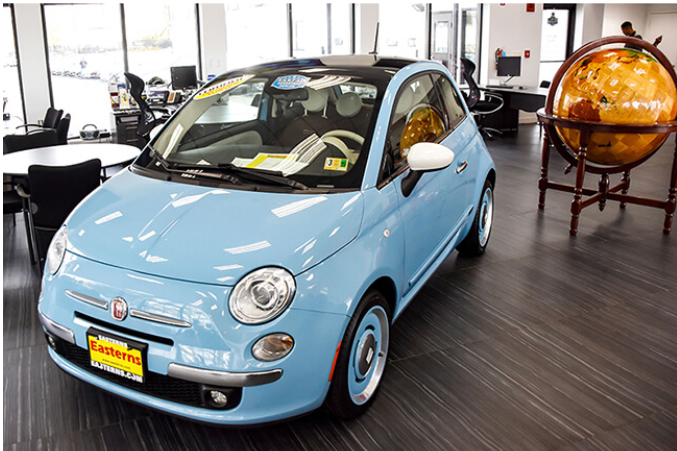
The Estimated Total Cost to Own a Fiat 500

When it comes to buying a car, it’s important to be aware of the comprehensive expenses that accompany it to determine if it is the right choice for you.

The Fiat 500 is a vehicle of style, character and compact efficiency. Its chic exterior design, which exudes a classic Italian flair, coupled with a cozy interior, makes it a popular choice among city drivers. Despite its small stature, the Fiat 500 boasts surprising functionality and an engaging driving experience, making it ideal for navigating the bustling streets of Baltimore and Washington D.C. with ease.

Initial Investment in the Fiat 500

The last model year of the Fiat 500, 2019, had an MSRP between $16,500 and about $21,000. If you can find a Fiat 500 today, you’ll likely only pay about $12,500 for a base trim. Older models, like 2016, 2017 or 2018, you can likely find it for less than $10,000.

Depreciation

As with any vehicle, depreciation plays a pivotal role in the total cost of ownership. The Fiat 500 is actually useful for demonstrating the power of depreciation. The average 2019 Fiat 500 in decent condition costs about $12,500 as of 2024, which equates to a roughly 24 percent drop in value over five years. This is actually lower than the typical depreciation of about 35 to 40 percent over five years. This is partially due to the already low cost of a new Fiat 500, although the fact that no more are being made and the inherent scarcity of the model may also play a role.

Insurance

Insurance costs for the Fiat 500 may vary, but on average, annual insurance premiums for a Fiat 500 range from $800 to $1,500. These rates are slightly lower than some other vehicles because of the low cost of the Fiat 500. Replacing a Fiat 500 that’s totaled with a car of comparable value is affordable for the insurance company, so they’re willing to accept lower premium payments from drivers – especially those with a good driving record.

Maintenance

Maintaining the performance and longevity of your Fiat 500 entails regular upkeep and occasional repairs. While routine maintenance costs are relatively affordable, occasional repairs may incur additional expenses, necessitating budgetary consideration. As an import, maintenance and repair costs on a Fiat 500 can be slightly higher. Imported parts may be necessary, and you might need to take your Fiat 500 to a shop that has specialized knowledge or tools to address problems or perform routine maintenance.

Maintenance for Your Fiat 500: Ensuring Optimal Performance and Longevity

Maintaining the performance and longevity of your Fiat 500 is essential to provide a smooth and enjoyable driving experience for years to come. While routine maintenance costs are generally affordable, occasional repair needs may arise. Common routine repairs and maintenance for the Fiat 500 include:

  • Oil Changes: Regular oil changes are crucial to keep the engine lubricated and running smoothly. Aim to change the oil every 5,000 to 7,500 miles, or as recommended by Fiat.
  • Tire Rotations: Rotating your tires regularly helps promote even tread wear and extends the lifespan of your tires. Rotating your tires every 6,000 to 8,000 miles can ensure you maximize their longevity.
  • Brake Inspections: Routine brake inspections are vital to ensure the safety and reliability of your Fiat 500. Brake pads and rotors may need to be replaced periodically, although the frequency will depend on your driving habits.
  • Fluid Checks: Regularly checking and topping up fluids such as coolant, brake fluid and windshield washer fluid can help maintain optimal performance and prevent potential issues.

Why Buy a Pre-Owned Fiat 500 at Easterns Automotive?

The most obvious reason to buy a pre-owned Fiat 500 is simply that you can’t buy a new Fiat 500. The last model year was 2019, which means if you find a Fiat 500 on the market you will inevitably be buying it used.

Buying a used Fiat 500 is not a bad thing. Pre-owned models offer considerable cost savings, reduced depreciation rates and lower insurance premiums. At Easterns Automotive, we offer an extensive selection of high-quality pre-owned vehicles, each backed by our commitment to quality and customer satisfaction. Plus, customers benefit from our exclusive seven-day return policy and a 30-day/1,000-mile warranty, for a stress-free and confident purchasing experience.

Embark on Your Next Journey By Purchasing Your Dream Vehicle Today at Easterns Automotive in Maryland, Virginia and Washington D.C.

Discover the benefits of buying a pre-owned vehicle at Easterns Automotive Group today by browsing our online inventory or giving us a call at (877) 927-5004.

What Are the Benefits of Purchasing a New Car?

Purchasing a new car is a thrilling experience that’s hard to replicate – but a moment’s thrill is fleeting. You want to make sure the excitement you feel is warranted and will last with a high-quality car that will continue to perform optimally for years to come.

Benefits of Purchasing a New Car

  • Warranty Coverage: Most new cars come with comprehensive manufacturer warranties that cover repairs and maintenance for the first few years, minimizing how much buyers have to spend after the initial purchase and providing peace of mind.
  • Lower Interest Rates on Financing: Lenders often offer lower interest rates for new car loans than pre-owned cars. This is due in part to the increased resale value of the asset, lower likelihood of catastrophic breakdowns and the more consistently reliable financial stability of most people who can afford new cars.
  • Latest Features: New models come equipped with the latest safety features and entertainment systems for a modern driving experience.
  • Eco-Friendly Options: With the push toward hybrid and electric models in recent years, newer cars often have improved fuel efficiency and lower emissions compared to pre-owned cars.
  • Customization Options: When buying new, you can often select the exact color, trim level and options you want, tailoring the vehicle to your exact preferences.
  • No Prior Wear and Tear: A new car is guaranteed to be in pristine condition since it’s had no previous owners and is less likely to have mechanical issues or breakdowns.
  • Lower Maintenance Costs Initially: New cars won’t need major repairs or maintenance for at least a few years after purchase.

Drawbacks of Buying New

  • Initial Purchase Price: New cars are significantly more expensive than used cars. The upfront cost for a new vehicle alone includes the cost of the latest technology, safety features and the innate perks of being the first owner. That’s not to mention the monthly payment, interest rates, registration payments and higher tax fees, surging the overall price.
  • Depreciation Value: New cars depreciate quickly, often by 20 to 30 percent by the end of the first year alone. When a new car buyer decides to sell, they will get a significantly lower return on their investment. Similarly, if you trade in your new car after a few years, you might get less value than expected.
  • Premium Rates: Insurance premiums for new cars are generally higher than for pre-owned cars since they cost more to repair and replace in case of a severe accident.
  • Fixed Pricing: Since they’re fresh off the manufacturer’s assembly line, dealerships have less flexibility in negotiating the price of a new car. The odds of you securing a price far below the sticker price are slim.
  • Specialized Maintenance: Newer cars with advanced features or technology may require specialized maintenance that can be more expensive, since parts may not be readily available.

You Don’t Have to Buy New to Drive New

Suffice it to say that buying new, while usually a positive experience, has its downsides – just as saving money on a used car does. The certified pre-owned cars at Easterns Automotive can give you the best of both worlds, offering most of the benefits of a new car without the drawbacks or compromising on quality.

We boast a vast inventory of over 1,000 vehicles varied in make, model and year and will work with you one-on-one to find the perfect car for you. Our maintenance team thoroughly repairs and refurbishes each of our models before listing them – including hybrid and electric cars – so customers can rest assured they’re receiving a pristine vehicle with few signs of wear and tear that will provide reliable transportation performance for many years to come.

We also offer a seven-day return policy and a 30-day / 1,000-mile warranty, so if you discover any issues with your purchase or are having lingering doubts about another model you were debating getting instead, you can rest assured that we’ll fix the problem promptly.

Finally, our certified pre-owned cars will not depreciate in value as quickly as new cars and come with flexible pricing. While interest rates are typically higher for used cars, our financing team will help you secure a favorable auto loan, leveraging our connections with lenders to craft a financing plan that suits your needs and budget.

Buy Fully Refurbished, Certified Pre-Owned Cars That Will Give You the Biggest Bang for Your Buck

At Easterns Automotive, with locations throughout the Washington D.C. and Baltimore areas, we’re dedicated to finding the right car for you at the right price. We’ve won DealerRater’s “Consumer Satisfaction Award” for seven years in a row for customer-focused service. Our team works hard to make good on our word that you’ll leave our dealership with a high-quality vehicle you’ll love.

Got questions? Don’t hesitate to reach out to our dedicated sales team and learn more about your options today.

What Are the Right Questions to Ask During the Car Sales Process?

The car sales process tends to be more stressful and hazardous than many think it will be. Not every sales team takes a customer-centric approach to the sales process. That’s why, as a car shopper, you can best protect yourself by doing your own due diligence and research. 

What’s the price?

This isn’t as straightforward as just looking at the sticker. Beyond the base price, you also need to factor in taxes, your financing plan’s cost (interest rates, monthly payments, etc.) and any other extraneous fees, like documentation and registration fees.

What’s the car’s history?

Use the vehicle identification number (VIN) to review the pre-owned model’s history, including any previous accidents or title issues. At Easterns Automotive, many of our models are only two or three years old with only tens of thousands of miles. Our maintenance team thoroughly inspects and repairs our models before listing them to ensure our customers receive a high-quality vehicle built to last. We’re committed to ensuring every buyer gets a car that will reliably last them for years in the future.

Is there a warranty?

While used cars typically don’t have a warranty, a certified pre-owned vehicle from a dealership should have one. If the car is still relatively new and qualifies as a certified pre-owned vehicle, be sure to get information on the existing manufacturer warranty and find out how long it will last. Regardless of whether one of our cars has a warranty or not, Easterns Automotive provides a seven-day return policy and 30-day / 1,000-mile warranty to give our shoppers peace of mind that we will promptly address any potential issues.

Can I take it on a test drive?

The best way to confirm if the car performs as advertised is to take it on a test drive. Shoppers are more than welcome to stop by one of our dealerships to try out any of the vehicles in our inventory. We thoroughly examine our models’ engines, cabins and exteriors to ensure their comfort, performance and reliability exceed expectations.

Has the car had any recent repairs or part replacements?

What exactly was repaired or replaced and why? Was it due to an accident, wear and tear or a manufacturer recall? Gleaning any recent repairs or part replacements can give you insight into the car’s condition and potential future maintenance needs.

Can I have the car inspected by an independent mechanic?

An independent mechanic’s inspection can reveal hidden issues or potential problems that some dealerships might not be willing to disclose. Having a vehicle inspected by your own mechanic may allow you to feel confident that you’re making a sound purchase where you’re fully aware of the facts.

What is the trade-in value of my current car?

Knowing the trade-in value of your current vehicle can give you negotiating power while shopping for an upgrade, increasing your chances of securing a fair price for your next vehicle. The certified pre-owned cars at Easterns Automotive are guaranteed to give you a valuable recoup on your investment, as we only list models that we’re confident will exceed the manufacturer’s standards so they will retain a high resale or trade-in value.

What is the base qualifying credit score for this vehicle?

At Easterns Automotive, we don’t deny car shoppers a vehicle because their credit scores aren’t perfect. As the “Where Your Job is Your Credit™” dealership, all we need is proof of employment. Our well-connected auto financing team will utilize our network of banks and lenders to help you get competitive financing for a reliable used vehicle that still has many years and miles of life ahead of it.

#1 Certified Pre-Owned Dealership for Reliable Vehicles and Competitive Financing in D.C. and Baltimore

The team at Easterns Automotive has won DealerRater’s “Consumer Satisfaction Award” for seven years in a row. We’re ready to help you find a car and payment plan that suits your needs and fits with your life. Browse our vast inventory online or in person at one of our dealerships today.

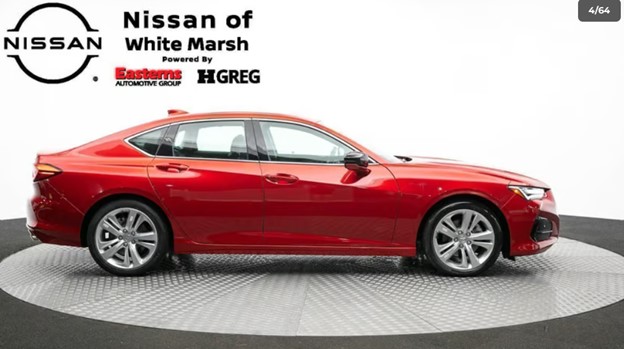
The Estimated Total Cost to Own an Acura TLX

Acura, Honda’s luxury vehicle division, has been designing affordable high-end vehicles since 1986. The automaker unveiled the TLX in 2014. This luxury sport sedan boasts high-performance capabilities, a plush interior and high reliability ratings that will give any car shopper a valuable return on their investment.

Buying or leasing an Acura TLX, however, goes beyond budgeting for the initial price. Car ownership entails paying numerous recurring costs over your years of ownership and being ready to pay unexpected expenses in case of an emergency. Before going into a used car dealership in Washington D.C. or Baltimore to shop for an Acura, you should understand exactly how much you may be signing up to pay for the next couple of decades.

Cost Breakdown

MSRP: For the 2023 model, the Acura TLX starts at an MSRP of about $40,000. More advanced models like the Type S can push the price over $55,000.

At Easterns Automotive, you can buy an Acura TLX for half the cost, if not less, without worrying about compromising your investment’s long-term quality. Our models are only a few years old at most, and we rigorously inspect them to ensure they’ll last another hundred thousand miles or more.

Insurance: The cost of insuring an Acura TLX can vary based on your age, driving history, location and the specific insurance company. On average, you might expect to pay between $1,500 and $2,500 per year for insurance, but this can be higher depending on your age, the city where you live and your driving record.

Fuel Costs: The fuel efficiency of the Acura TLX depends on the specific model and engine type. The base model with the 2.0-liter engine has an EPA estimate of about 22 mpg in the city and 31 mpg on the highway. Using the U.S. average gas price of around $3.50 per gallon and assuming you drive about 15,000 miles per year, you may expect to pay around $1,800 annually for gas.

Maintenance and Repairs: If you’re buying new or fully refurbished, chances are your Acura TLX won’t require expensive upkeep for a few years, but over time the costs can grow more expensive. As the model ages, you’ll need to factor in oil changes, tire rotations, brake pad replacement and unforeseen repairs into your budget.

Compared to other brands, especially other luxury car brands, Acura has comparatively low maintenance costs. The Acura TLX typically costs around $501 to maintain each year, while the national average for vehicle maintenance is around $632. The brand also has an above-average reliability rating, so owners can worry less about a potential breakdown and pay less if any issues do occur.

At Easterns Automotive, we offer a seven-day return policy and our 30-day / 1,000-mile warranty so buyers can rest easy knowing that if they run into any issues after leaving the lot, we’ll address them promptly and assiduously.

Depreciation: Depreciation is a significant but often overlooked cost of vehicle ownership. Luxury vehicles like the Acura TLX are at an elevated risk of fast depreciation. In the first five years, you can expect a new luxury vehicle to lose about 40 to 50 percent of its value, depending on condition and mileage.

New Acura TLX Five-Year Cost Breakdown

Say the MSRP for your specific model is $46,700. Factoring in:

  • Insurance: $2,000/year x 5 years = $10,000
  • Fuel Costs: $1,800/year x 5 years = $9,000
  • Maintenance and Repairs: $800/year x 5 years = $4,000
  • Depreciation: 45 percent of $46,700 = $21,015

In total, you’ll spend $90,715 over 5 years, or $18,143 per year. Your costs may be much lower if you buy a pre-owned Acura TLX, as you will dodge most of that depreciation without sacrificing the low maintenance and fuel costs. 

We’ve Won DealerRater’s “Consumer Satisfaction Award” Seven Years in a Row for Dedicated Customer Service

At Easterns Automotive, we offer shockingly reasonable prices for our Acura models and flexible financing that puts your needs and preferences first, even for shoppers who might not have stellar credit.

As the dealership where “Your Job is Your Credit™”, all we require is proof of steady employment and we’ll utilize our connections with auto lenders to help you secure the financing you need to comfortably afford a certified pre-owned Acura TLX or any other make or model you’re looking for.

Browse our Acura inventory online or in person at one of our dealerships today.

Which Cars or Trucks Are the Most Expensive to Have Maintained?

Auto car repair service center. Mechanic examining car

There are many obvious differences between models and makes – from the type and quality of engines they’re sporting to how their exterior is designed – but one factor that can escape shoppers’ minds while buying is the level of maintenance a car demands.

Since new cars typically won’t require serious maintenance in the first few years of ownership, it’s easy to forget about this important variable. Cars won’t stay new forever, and buyers should consider the possibility that they are signing up to pay thousands of dollars for maintenance later on when a similar make or model may cost significantly less to maintain.

What Are the Most Expensive Cars and Trucks to Maintain?

BMW: BMW vehicles come with sophisticated engineering that can be costly to maintain. A typical oil change can cost between $150 and $250 when the average is $50. More significant repairs, like a brake job, can exceed $1,000.

Mercedes-Benz: Mercedes-Benz models have a reputation for high maintenance prices. The S-Class can cost upwards of $1,200 for a major service. The G-Class can cost up to $16,561 over 10 years due to its need for unique parts and specialized service.

Audi: As one of the flagship luxury makers, Audi models are expensive to maintain. The A8’s advanced technology, the Q7’s complex all-wheel-drive system and the R8’s high-performance engine all require frequent and costly maintenance. An annual service for an Audi A8 can easily reach $1,500, while the R8 can cost even more since its design centers on its performance capabilities.

Land Rover: Land Rover’s luxury off-road system can lead to high maintenance costs. A typical annual service for a Range Rover can cost between $1,200 and $1,500, with more complex repairs costing significantly more.

GMC: GMC’s advanced tech features can make it more expensive to repair and replace. Annual maintenance costs for the Sierra 1500 Denali, in particular, can exceed $1,000, with repairs often costing more than the standard models.

Is It Worth It to Buy a Car That’s Expensive to Maintain?

If your budget allows for pricy maintenance fees, there’s a lot of enjoyment a high-maintenance luxury vehicle can give you. From providing a powerful engine and advanced technology to a sleek and comfortable interior, some of the benefits can make the extra costs worth it. Potential buyers should carefully weigh these benefits against the financial implications, considering their financial stability and monthly budgets, before making a decision.

They should also consider this when buying new, pre-owned and certified pre-owned. Buying new is often a reliable but pricey option, while pre-owned is the cheapest but also the quickest to fall apart, requiring frequent maintenance. Certified pre-owned cars are often buyers’ preferred choice, as they’ve been officially reviewed and come with manufacturer warranties but cost significantly less than new cars.

If you’re looking to save on maintenance, many high-quality models don’t cost a lot to maintain. Some brands with the lowest maintenance costs include:

  • Toyota: Toyota models are renowned for being high-quality and low maintenance. The Corolla and Prius’s annual maintenance costs typically range from $300 to $700.
  • Honda: Honda vehicles also have low maintenance expenses. The Civic’s annual maintenance costs average around $428, while the Accord and CR-V cost approximately $407.
  • Hyundai: Hyundai models offer cost-effective maintenance fees, with the Elantra’s annual maintenance costs ranging from $280 to $380 and the Sonata costing around $390 to $490.
  • Kia: Kia cars are typically low maintenance and have extensive warranties. The Forte has annual maintenance costs of approximately $290 to $390, and the Optima costs about $400 to $500.
  • Mazda: Mazda models have affordable maintenance costs, with the Mazda3’s annual maintenance fluctuating around $433 and the Mazda6 costing around $481.
  • Subaru: Subaru vehicles cost a moderate amount to maintain. The Impreza’s annual maintenance costs are about $653, which is approximately the national average, while the Forester costs around $632.
  • Nissan: Nissan’s maintenance costs are generally inexpensive due to their models’ enhanced durability. The Sentra costs approximately $491 to maintain, while the Altima costs around $483.

Trust the #1 Certified Pre-Owned Dealership in Baltimore and Washington D.C. for High-Quality Cars and Customer Service

You shouldn’t have to break the bank to buy reliable transportation. At Easterns Automotive, we offer well-maintained and thoroughly inspected pre-owned vehicles that have been built to last. Our models are refurbished to meet strict quality standards and to ensure we’re not passing unnecessary maintenance-intensive vehicles on to car buyers.

Work with the long-time winner of DealerRater’s “Consumer Satisfaction Award”. Browse our inventory online or visit one of our dealerships and let one of our car experts help you find the right model for you.

Negotiating Certified Pre-Owned Car Prices

Having a business conversation. Man with woman in white clothes are in the car dealership together.

Yes. In fact, negotiating for a lower price on a certified pre-owned car is often easier than a new car. Newer cars have manufacturer-set prices and dealer promotions that can leave less room for negotiation. In contrast, certified pre-owned vehicles may have a more flexible price range shoppers looking to buy a car can take advantage of – while still being certified for guaranteed long-lasting quality.

Certified Pre-Owned vs. Pre-Owned

While a certified pre-owned car will cost significantly less than a new car, it will typically be more expensive than a pre-owned car that isn’t certified. Certified pre-owned means that the car has undergone rigorous inspection to meet the manufacturer’s standards. This inspection typically includes a comprehensive exterior and interior check, confirming it has adequate mileage and performance abilities and that any necessary repairs have been made. Pre-owned cars, especially those sold privately by owners, don’t have the same guarantees.

Most manufacturers place age and mileage restrictions on their certification programs. For example, in order for a used car to be qualified as a certified pre-owned vehicle, it may need to be no more than five or six years old and have fewer than 60,000 or 80,000 miles. The specific criteria varies based on the manufacturer.

Used cars that don’t meet the certified pre-owned eligibility requirements usually aren’t eligible for extended warranties, while certified pre-owned cars are typically sold with an extended manufacturer warranty. At Easterns Automotive, we offer a seven-day return policy and 30-day / 1,000-mile warranty to give our shoppers, both used car buyers and certified pre-owned car buyers, peace of mind that even if they run into an issue, we’ll address it promptly.

Negotiating Tactics

Know the Car

Research the market value of the car you’re interested in to understand what the market value is and how it’s generally priced. Tools like Kelly Blue Book and Edmunds can help shoppers estimate the value of different makes, models and years in the certified pre-owned market.

Know the Price – the Actual Price

Have a clear budget before you start shopping. Evaluate the upfront price as well as the ongoing costs, including maintenance fees, fuel costs, insurance and the specifics of your financing plan if applicable, including interest rates and loan terms.

Know Your Budget

Having a clear understanding of your budget before approaching a dealership can give you leverage during negotiations. Getting pre-qualified[1]  for a loan before you visit the dealership can not only give you a fixed price point to work with. This may be beneficial during negotiations since they know you have financing with a strict limit and may be willing to negotiate on price to accommodate and make a sale.

… Or Avoid Negotiating Altogether

At Easterns Automotive, we don’t stress over credit scores. Instead, Your Job is Your Credit™. All we need is proof of employment and our auto financing team will utilize our auto lending network to help you get manageable financing for a high-quality car.

We believe in providing our customers with fair, straightforward prices. Our certified pre-owned vehicles are priced competitively, without hidden fees or exaggerated interest rates. Our financing team offers a range of financing options to suit different budgets and credit situations. We work with multiple lenders to find the best rates and terms for our customers so you can get the car that checks all your boxes without the emotional and financial strain.

#1 Certified Pre-Owned Dealership for Reliable Used Cars in Washington D.C. and Baltimore

At Easterns Automotive, our team is here to answer any questions you may have about the car shopping and financing process. Get expert guidance through every step of the car buying process. Browse our inventory online or in person at one of our dealerships today.

Which Credit Score Do Car Dealerships Use and How Many Months Should You Finance a Used Car?

report credit score banking borrowing application risk form document loan business market concept – stock image

A substantial majority of dealerships will refer to your Fair Isaac Corporation (FICO) score when assessing you for financing. In fact, 90 percent of lenders rely on this score for credit decisions due to FICO’s focus on a borrower’s ability to repay a debt.

The other major but less commonly utilized score is VantageScore, which provides consistent scoring for Equifax, Experian and TransUnion. Credit score can significantly impact your car buying experience. If you have a subprime score, you may have more trouble securing approval or getting low interest rates.

At Easterns Automotive, we look at more than just your credit score when assessing auto loan eligibility. We’re the dealership where “Your Job is Your Credit™”. As long as you have a job, we’ll leverage our network of auto lenders to customize financing solutions to meet your needs, so you can secure reliable transportation easier and with minimal stress.

FICO vs. VantageScore

FICO is the most widely recognized credit score. With a range of 300 to 850, FICO scores are primarily utilized to assess a borrower’s risk level. A variety of factors are considered while evaluating your ability to repay an auto loan, but some carry more weight than others, including:

  • Payment history (35 percent)
  • Debts owed (30 percent)
  • Length of credit history (15 percent)
  • New credit inquiries (10 percent)
  • Your amount and mix of credit accounts (10 percent)

VantageScore was created by the three major credit bureaus – Equifax, Experian and TransUnion – for the purpose of providing a consistent scoring method across all three bureaus. If you use Credit Karma, the score you see on your dashboard is your VantageScore.

VantageScore has the same range as FICO but places more emphasis on total credit usage, balances and how much credit you currently have available and less on your credit experience and payment history. Put simply, VantageScore fixates on your current credit situation, while FICO places more weight on your credit history.

When applying for auto financing, it’s typically better for borrowers to have their FICO evaluated than their VantageScore. FICO scores are only generated once a user has an open account for at least six months. In contrast, VantageScore will assign you a score even if your history is as short as one month. Longer histories are ideal for those looking to get a favorable loan on a new car since having a longer history typically translates into a better score and credit report.

Moreover, it’s easier to qualify for a good loan with a lower FICO score than a lower VantageScore. Lenders typically require a minimum score of 600, but those with a 500 can occasionally qualify (although they may be subject to higher interest rates, depending on the lender). A VantageScore below 700 will have a low chance of securing a favorable loan, and those with a 500 may have a hard time being accepted for a loan in general.

How Many Months Should You Finance a Used Car?

Your credit score will also impact the conditions of your auto loan, including your loan term. How long you should finance a car will depend. A long loan term can allow car shoppers to disperse the cost, but their monthly payments will usually be higher. A short loan term will not cost you as much on a monthly basis, but your interest rate will likely be inflated.

The most common auto loan terms include:

  • 36 months: Shortest term available with lowest interest rates, but higher monthly payments.
  • 48 months: Moderate term length with adequate monthly payments and interest rates.
  • 60 months: Longer term with lower monthly payments but higher interest costs.
  • 72+ months: Prolonged term with very low monthly payments but higher total interest costs.

If you can comfortably afford it, higher monthly payments can help improve your credit score more than a higher interest rate. If you can’t afford the higher monthly payments on a shorter term, you should try to secure a moderate loan term between 48 and 60 months with balanced monthly payments and interest rates.

We’re Dedicated to Helping You Find the Right Car at the Right Price – Regardless of Your Credit Score

Shopping at a dealership that focuses less on your score and metrics and more on your needs will elevate your chances of securing a stress-free auto loan. At Easterns Automotive, every payment you make through us will be reported to credit bureaus, so buying one of our reliable certified pre-owned vehicles can directly translate into gradual credit score improvements – allowing our customers to secure dependable transportation and improved financial stability simultaneously.

Call 888-650-4775 today to learn more about our assiduously maintained, certified pre-owned cars and our personalized financing options.

What Is Pre-Approved Financing?

helpful manager of dealership gives necessary information and instruction to clients, explains everything before signing a contract. close-up photo of hands and documents

Securing financing at a dealership can be a mentally and time-exhausting endeavor, often lasting two to three hours, if not more. Pre-approved financing can streamline the financing process and strengthen your negotiating position as a car buyer, reducing the stress of car shopping.

Pre-Approved vs. Pre-Qualified Financing

Pre-qualified financing isn’t as definitive as pre-approval financing – although both are simply proactive measures that prepare car shoppers for the official process. Pre-qualification is an informal and unofficial service provided by lenders where they conduct a preliminary review of your application. It’s essentially a practice run that shows you how a lender will judge your application, offering insight into ways you can improve your application before submitting it officially. However, while pre-qualification gives you a general idea of what you might be eligible for, it’s not a guaranteed offer.

Pre-approval financing, on the other hand, is a more formal, detailed and intensive process that will provide you with an actual loan amount, interest rate and other definitive terms of your auto loan rather than just an estimate. Pre-approval isn’t approval, but it shows you what you will likely receive once officially approved, making the outcome more reliable and functional compared to pre-qualification.

During pre-approval, your credit score and debt-to-income ratio will be assessed. The review process for pre-approved financing often takes longer than pre-qualified financing, as it may take several days. This hard inquiry can temporarily affect your credit score for a short period of time, but as a result, it can give you more power during negotiations. Pre-approval carries more weight than pre-qualification, as it shows that you are a serious buyer who has secured reliable financing with exact terms.

Steps of Pre-Approved Financing

  1. Check Your Credit: Review your credit report and score. The lender will check your credit to assess your eligibility. A higher credit score can get you better loan terms.
  1. Gather Documents: Prepare detailed financial documentation, including proof of income, employment history, your credit report and any existing debts.
  1. Research Lenders: Look for lenders who offer pre-approval for auto loans and compare their requirements and terms.
  1. Apply: Submit your application to one or more lenders, whether at a bank, credit union or online lender, to get pre-approved.
  1. Review Your Conditional Offer: If the lender approves your application, they provide a pre-approval letter. This letter outlines the amount you are eligible to borrow, the interest rate, the loan term and any other conditions.

Benefits of Pre-Approved Financing

Knowing how much you can borrow helps you set a clear budget that will give you clarity while comparing offers from different lenders, ensuring you get the best possible interest rate and loan terms. A certified pre-owned car can be particularly useful from a financing perspective. They’re not as expensive as new cars but are still low mileage and on the newish side of the age curve. The higher value compared to other pre-owned vehicles means lenders may be more willing to offer favorable terms on your auto loan.

Pre-approval can also streamline negotiations with the car dealership. The process of finalizing your purchase at the dealership can be faster since much of the paperwork is already completed. Moreover, since you already have financing and a strict budget in place, the dealership will be less likely to try and upsell you, making purchasing a car less of a strenuous experience.

Not only can pre-approval expedite negotiations, but it can also elevate the possibility of negotiations going in your favor. Having pre-approved financing can give you more negotiating power with the dealer. It shows you are a serious buyer with funds secured and readily available. Having pre-approval tells the salespeople you aren’t wasting their time, making them more willing to compromise.

Because pre-approval is not approval, you still have the ability to shop around for a different lender. You can go to dealerships or other banks and see if they are willing to beat the rate and terms you are pre-approved for, potentially giving you a way into a better car loan.

Our Customer-Focused Financing Experts Work Hard to Help D.C. and Baltimore Residents Afford High-Quality Pre-Owned Vehicles

At Easterns Automotive, we’re on your side whether you have pre-approval or not. Our financing team can use our relationships with banks and financiers to help you secure a favorable car loan regardless of your credit score.

With us, “Your Job is Your Credit™”. We’ll work hard on your behalf to find the right loan for you so you can get your ideal car at a price you can live with. Browse our inventory or visit one of our dealerships and get help from a dedicated auto financing expert today.